
Article: Grand Cru or Reserve? Does it matter?
Grand Cru or Reserve? Does it matter?
We seem to get asked this regularly and there is always confusion with the average drinker (the Wine expert knows it all anyway ..)
What does Grand Cru or Reserve actually signify?
Well now, where to start ... We have tried to keep this as short and clear as possible - and have just listed the more famous areas!
BORDEAUX -
Right Bank (St Emilion etc) There are lots of, in particular, Grand Cru wines and Grand Cru Classé wines available but is the a difference? Yes is the answer and to explain as simply as possible
Grand Cru is not a mark of quality but a regional designation! It basically means that the wine was made to approved local standards.However, Grand Cru Classé is a quality designation, based on tastings, terroir, reputation (and is meant to be reviewed every years!)
There is no other 'formal' quality/ranking system - but we all know Ch. Petrus is extra special, and other excellent wines - like Ch. Cap d'Or, St Georges St Emilion - have neither title as they are outside the specific areas.
Left Bank: Different system completely - based on the 1855 Classification with minimal changes since - so Ch Lynch Bages is still technically a 5th Growth (but at 2nd Growth prices) while some other wines underachieve. (*the value here can often be found in the 2nd wines from these vineyards, Echo de Lynch Bages and the like)
BURGUNDY: A different system again - Wines are rated by the quality/terroir etc of the actual vineyard, so you'll find a Bourgogne AC then a village wine, 1er Cru and in some cases a Grand cru wine. For example in the village Vosne Romanée, you'll get a Vosne Romanée wine, a Vosne Romanée 1er Cru wine (frequently with a specific vineyard mentioned) and Grand Cru wines - the problem here is that they will have specific names - like 'La Tache' and will downplay the Grand Cru cos you should know anyway!
SPAIN
There are tight controls but if we just stick to the better known regions - like Rioja etc
RIOJA -
Crianza - 2 years aging in total, 6 months in oak
Reserva - must have minimum 3 years aging of which 1 year (12 months) must be 'in oak'
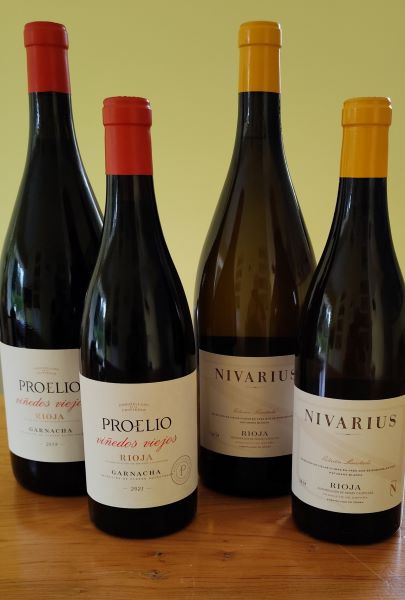
like Proelio Reserva Rioja (93 points etc)
Gran Reserva - must be 5 years aged with minimum 2 years in oak.
You can find complete details on sites like RiojaWine.com
Not all regions are as strict as others but the better ones have tight rules, for example
Chianti Classico - min of 80% Sangiovese but the Classico is a specific region of the Chianti area! Look for the Black Rooster on the bottle! Generally a higher quality (and price) e.g. Chianti Classico Riserva Castello di Querceto
There are other grades (Gran Selezione etc) with more restrictions - but you can google that!
General rules apply - for example in Argentina, Reserva means 12 months aging (bottle or wood) but lots don't bother with it - Salentein Barrel Select Malbec does not say Reserva but spent 12 months in barrel!
%C2%A0%0AWhat%20does%20Grand%20Cru%20or%20Reserve%20actually%20signify?%C2%A0Well%20now,%20where...)
Leave a comment
This site is protected by hCaptcha and the hCaptcha Privacy Policy and Terms of Service apply.